Namsos city
Given the action-packed days so far, Day 4 was a “rest” day off the water. While we still managed to fit a lot into the day, it did allow us a leisurely breakfast and a chance to chill in the morning.
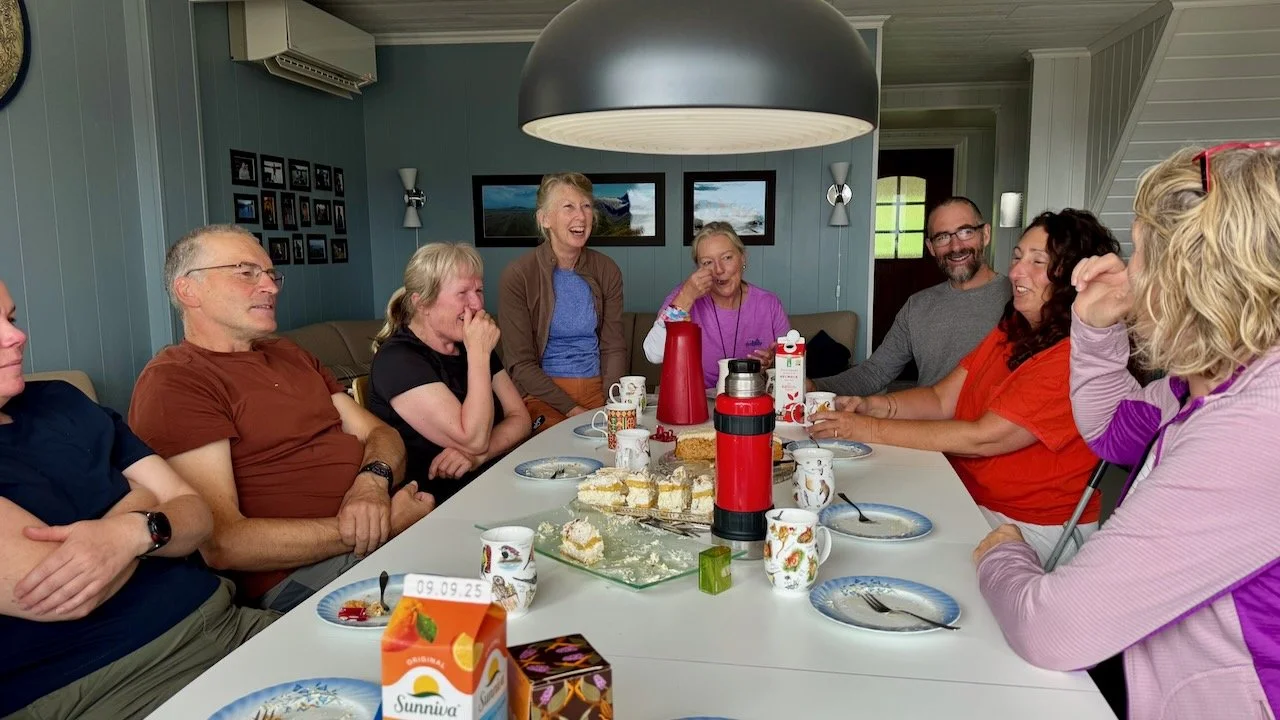
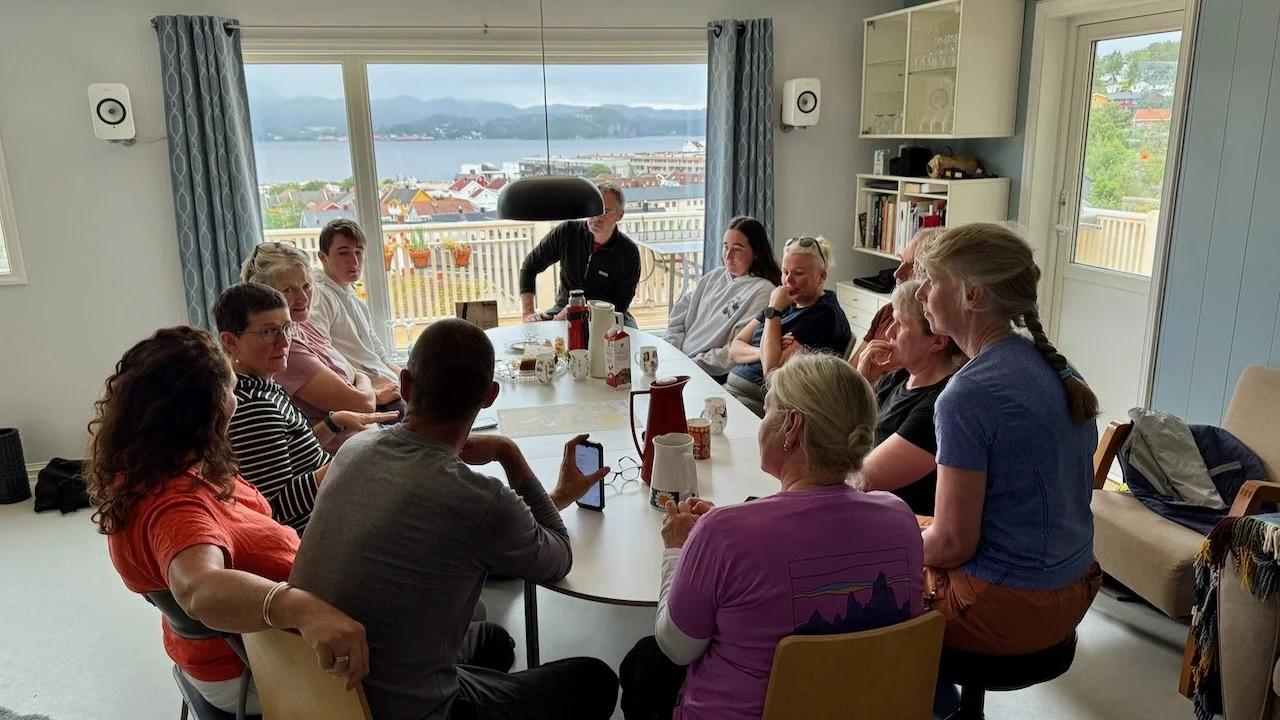
DTP and a loose plan was to sort gear and get to Bodil & Asle’s command centre by lunch time. This really was just an excuse for more cake, more coffee, and more laughter, as we relived the fun on Sør-Gjæslingan.
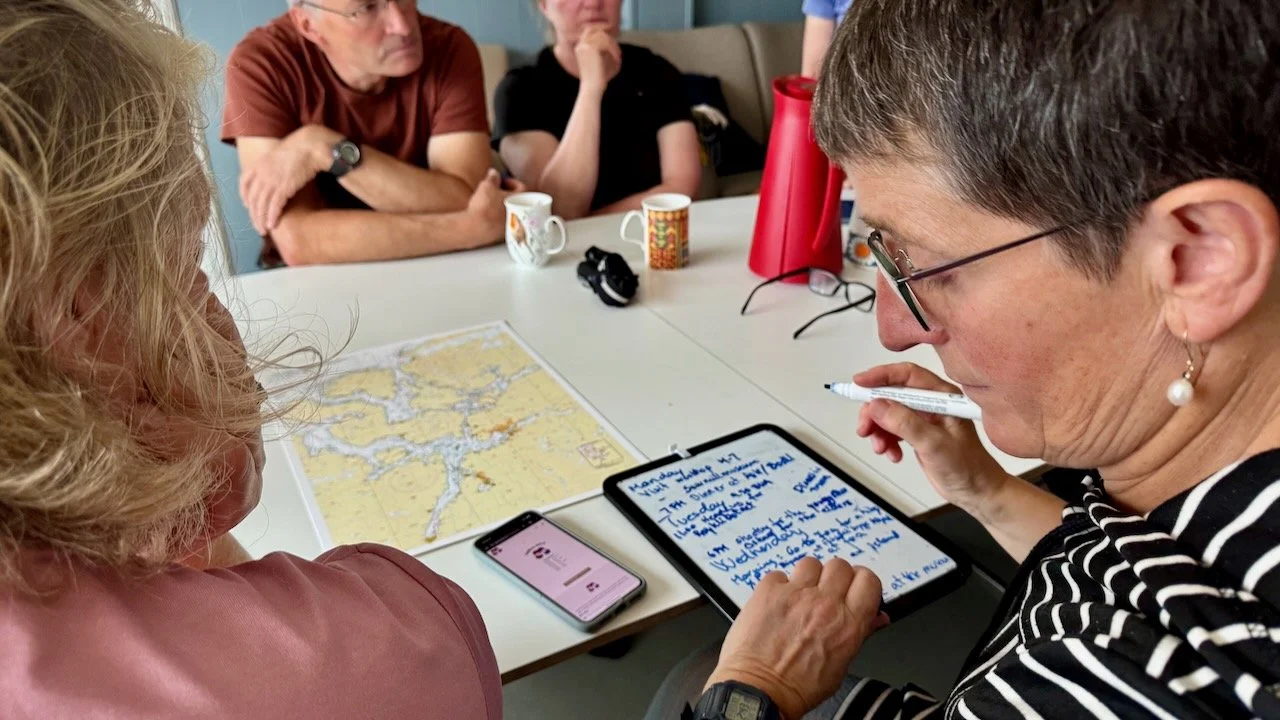
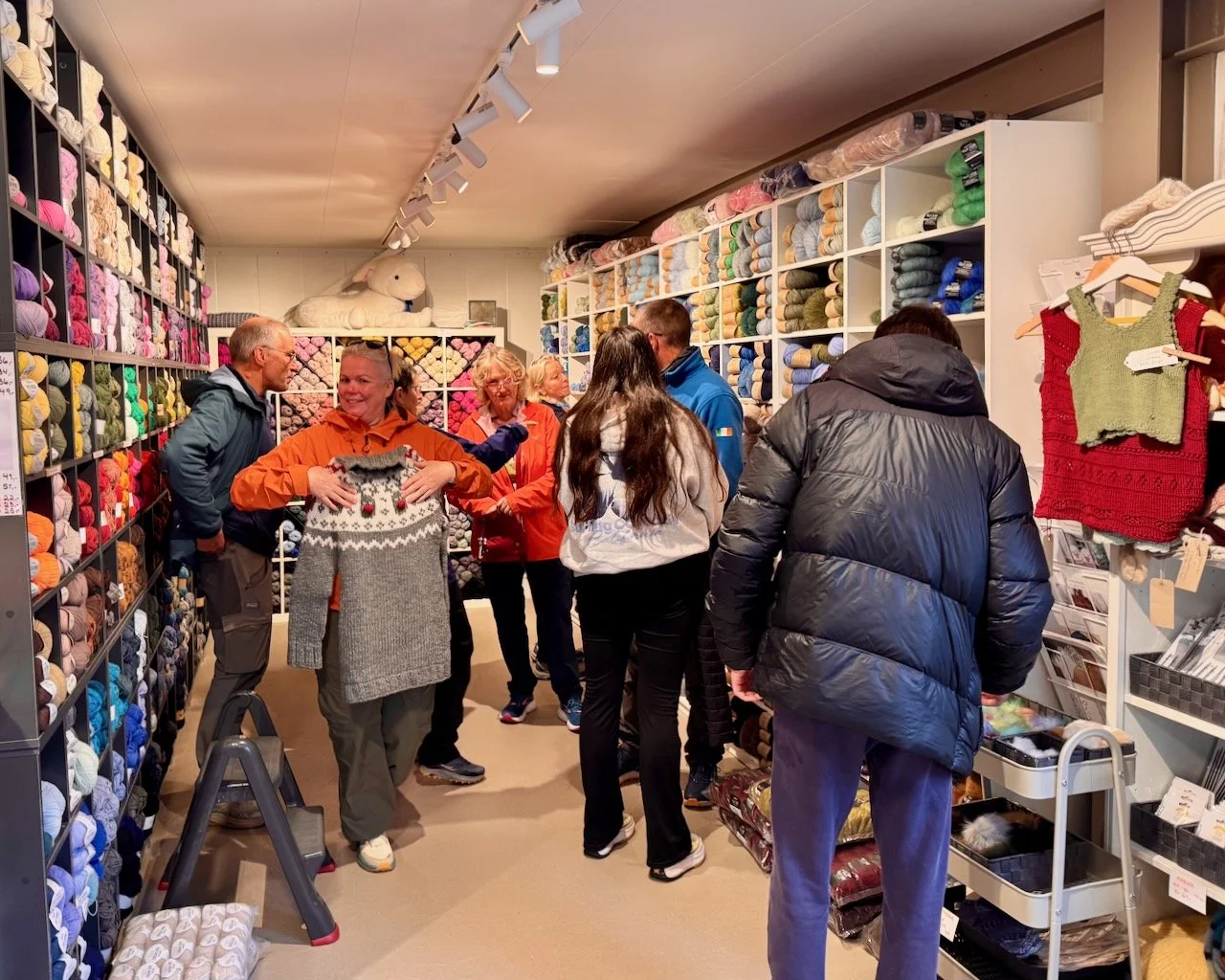
Once our plans were made for the remaining paddles, we were off into the city to explore. The Norwegians have a healthy approach to outdoor living and activities, all year round. As a result, there are more sports shops in Namsos than you can shake a stick at. A firm favourite of the Irish Crew was Nava Sports.




There was a small exhibit of old photographs of Namsos from the 1920’s and 1930’s. These highlight the importance of lumber to the city.
Starting with the formannskapsloven (Local Municipal Act) in 1837, the search for a suitable lumber loading point at the mouth of the Namsen River since most of the timber cut in Namdalen was floated down the Namsen River. Once Bråholmen (in Namsos) was selected, the impact on the city was instant – in 1850, Namsos had only 309 inhabitants, but by 1865 the population had risen to almost 1,200. The sawmill workers needed housing, shops and other services, and Namsos expanded rapidly.
– https://sagbruksmuseet.no/2020/05/sagbruksbyen-namsos/


Asle volunteers occasionally at the Norsk Sagbruksmuseet (Norwegian Sawmill Museum) and we personal guided tour of the history of the sawmill and how it is still used to this day.
The old timber buildings used timber stock of a thickness that is not readily/commercially available today. The JaJod A/S (Jensen and Dahl) planner, dating from 1938 is used to produce timber stock of the correct thickness to help authentic restoration of buildings.


Reaching out into the sea from the museum, is the Tømmerbommen (timber boom). This is 886m long and consists of approximately 4,770 piles. The timber boom is an enclosure for floating timber and was used as a sorting facility for all timber, including that which did not arrive by sea.

Tømmerbommen, Norsk Sagbruksmuseet
The highlight of the day was the opportunity to visit and explore the Namdal Kajakklubb facilities, where their clubhouse is rented from the Norsk Sagbruksmuseet. It is located right on the shoreline and has access to fantastic facilities.
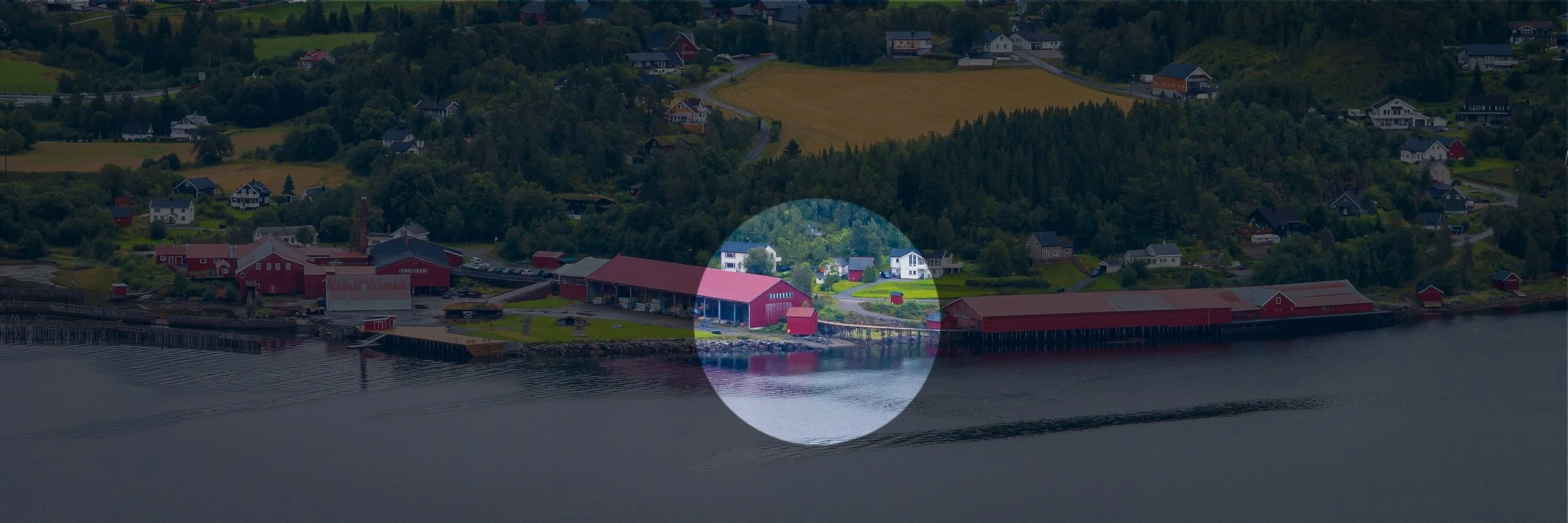
Namdal Kajakklubb
The clubhouse is just an incredible building & facility to have – in such close proximity to the city and right on the shoreline.
A two-storey building, with kayak storage on the ground floor (with a “slip”way to the sea) and gear storage on the first floor. While the building may appear simple, it is the attention to detail in the manner in which it is fitted out that is outstanding. Really effective use of space and functionality.
The drying space is vast, considering the small footprint – everything is organised for efficiency – making it easy to maintain the gear in a “ready to use” state and extending its lifespan.
I’m going to revisit the Namdal Kajakklubb in a later post, as there is a lot to consider how this club operates.


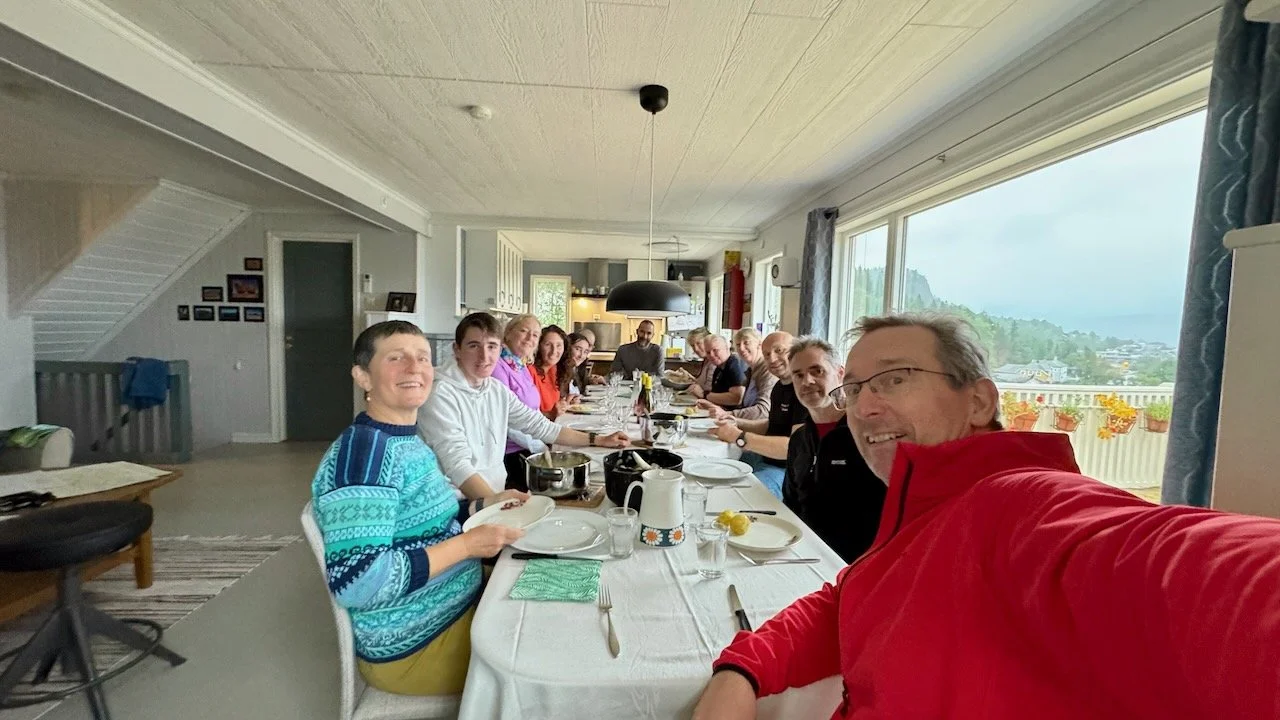
After another full day, we retreated back to Bodil & Asle’s home for a wonderful team dinner.